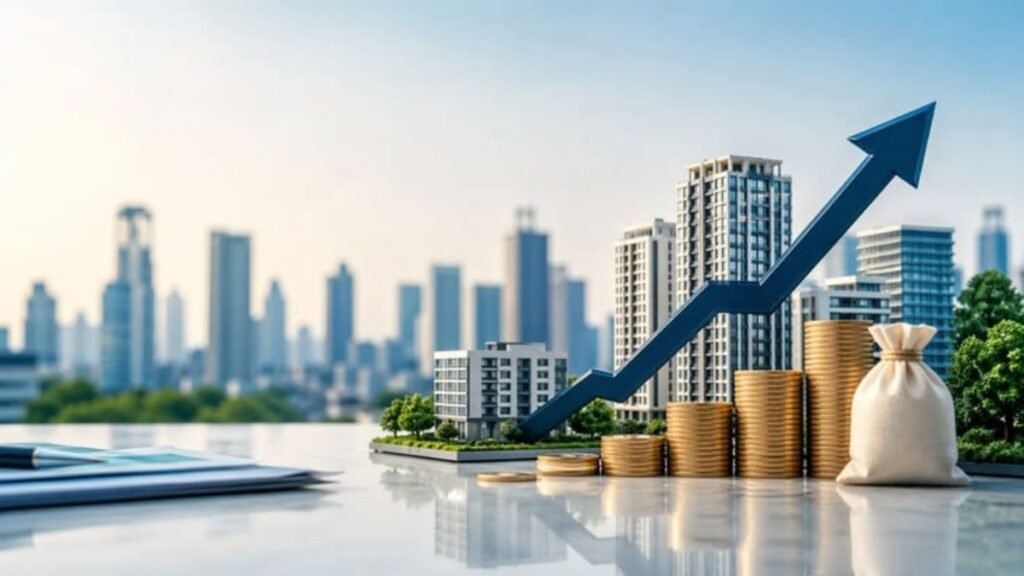

maximize ROI real estate strategies are essential for investors who want stronger returns, better cash flow, and long-term portfolio growth. Real estate profit does not come from simply buying a property and waiting for the market to rise. It comes from making the right decisions before, during, and after the purchase.
Return on investment is influenced by several factors, including purchase price, rental income, operating costs, property management, location quality, market timing, and future appreciation potential.
For serious investors, every decision should support profitability. This means buying strategically, increasing income, reducing unnecessary expenses, and using data to guide investment choices.
This guide explains how investors can improve real estate returns and build a stronger investment portfolio with a structured approach.
To explore professional real estate investment opportunities and advisory, visit
Emtedad UAE
.
Maximize ROI Real Estate Starts With the Right Purchase Price
One of the strongest ways to maximize ROI real estate performance is to buy at the right price. Profit often begins at the point of purchase because a lower entry price can improve rental yield, resale flexibility, and long-term capital gain.
Smart investors look for properties that are fairly priced, undervalued, or located in areas with strong future growth potential.
To improve entry position, investors should analyze:
- Comparable property prices
- Price per square foot
- Recent transaction data
- Developer reputation
- Market cycle timing
- Negotiation opportunities
A good property bought at an inflated price may deliver weak returns. However, a well-selected property purchased at the right value can create stronger profit potential from the beginning.
Real Estate Return on Investment Depends on Rental Yield
Real estate return on investment is strongly connected to rental income. A property that generates consistent rent can support cash flow, cover expenses, and improve overall investment performance.
Rental yield analysis should include:
- Average rent in the area
- Tenant demand
- Occupancy rates
- Vacancy risk
- Service charges
- Net annual rental income
Investors should not only focus on gross rent. Net rental income after expenses is the real measure of performance.
To maximize ROI real estate outcomes, investors should prioritize locations with strong rental demand, reliable occupancy, and competitive rental pricing.
Increase Rental Yield Real Estate With Smart Improvements
increase rental yield real estate strategies can help investors raise income without changing the property itself completely. In many cases, small improvements can make a property more attractive to tenants and support higher rental value.
Effective rental income improvements may include:
- Modern furniture packages
- Interior upgrades
- Better lighting and finishes
- Smart home features
- Improved kitchen and bathroom quality
- Professional photography and listing presentation
Short-term rental strategies may also increase income in selected locations, but they require proper management, furnishing standards, pricing strategy, and compliance.
Investors who want to maximize ROI real estate results should evaluate whether upgrades can increase rent more than they increase cost.
Property Investment ROI Tips Include Cost Control
Property investment ROI tips should always include expense management because returns are affected by costs as much as income.
Common operating costs include:
- Maintenance expenses
- Service charges
- Property management fees
- Insurance costs
- Repair budgets
- Vacancy periods
High income can look attractive, but if expenses are not controlled, net ROI can become much lower than expected.
To maximize ROI real estate performance, investors should calculate realistic annual costs before purchasing and review property expenses regularly after acquisition.
Renovation Can Increase Property Value
Strategic renovation can improve both rental income and resale value. However, renovation should be planned carefully because not every upgrade creates a strong return.
Value-added improvements may include:
- Modernizing interiors
- Upgrading kitchens
- Improving bathrooms
- Enhancing layout efficiency
- Adding built-in storage
- Refreshing flooring and paint
The goal is to improve the property’s market appeal without overspending. Investors should compare renovation cost with expected rental increase, resale value improvement, and tenant demand.
Well-planned upgrades can help investors maximize ROI real estate by making the asset more competitive in the rental and resale market.
Location Protects Long-Term ROI Stability
Location remains one of the most important factors in real estate profitability. A strong location supports tenant demand, rental pricing, resale value, and long-term appreciation.
Investors should focus on areas with:
- Strong infrastructure
- Access to business hubs
- Public transportation options
- Lifestyle amenities
- Schools and healthcare facilities
- Future development potential
A property in a high-demand location is more likely to maintain occupancy and attract buyers when it is time to sell.
Because of this, investors should avoid choosing a property only because it is cheaper. Lower price is useful only when the location also supports future demand.
Use Leverage Wisely to Improve Returns
Financing can help investors control larger assets and expand their portfolios faster. However, leverage must be used carefully because it can increase both returns and risk.
Common financing options include:
- Bank mortgages
- Developer payment plans
- Post-handover payment structures
- Investment partnerships
- Portfolio refinancing
Smart leverage can support portfolio growth when rental income, holding costs, and repayment obligations are properly calculated.
However, over-leveraging can reduce profitability and create financial pressure if market conditions change or vacancies increase.
Maximize ROI Real Estate Through Long-Term Appreciation
Another way to maximize ROI real estate is to hold assets long enough to benefit from capital appreciation. Real estate value often improves over time when the property is located in a growing market with strong demand and infrastructure development.
Long-term holding can support:
- Property value growth
- Rental income increases
- Equity building
- Portfolio stability
- Market cycle advantage
Short-term buying and selling can work in some cases, but long-term investors often benefit from both rental income and appreciation.
Time can become a powerful factor when the property is selected with strong fundamentals.
Professional Property Management Improves Net Returns
Property management has a direct impact on investment performance. Poor management can lead to vacancies, delayed rent collection, maintenance problems, and lower tenant satisfaction.
Strong property management includes:
- Tenant screening
- Rent collection
- Maintenance coordination
- Lease renewal management
- Vacancy reduction
- Market-based rental pricing
Professional management can protect income stability and reduce unnecessary losses.
For investors who own multiple properties, efficient management becomes even more important because portfolio performance depends on consistent execution.
Real Estate Profit Strategies Need Data-Driven Decisions
Real estate profit strategies should be based on data rather than guesswork. Data helps investors compare opportunities, estimate returns, understand demand, and reduce risk.
Important data points include:
- Rental yield
- Price trends
- Occupancy levels
- Transaction volume
- Future supply
- Service charges
- Demand patterns
Investors who use data can identify stronger opportunities and avoid properties that look attractive but perform poorly.
To maximize ROI real estate decisions, investors should combine market data, professional valuation, local insight, and clear financial planning.
Industry Insights and External Resources
For official Dubai real estate market information, regulations, and transaction data, investors can visit
Dubai Land Department
.
For broader property investment education, resources from
Forbes Advisor
can help investors understand investment returns, property planning, and risk considerations.
Frequently Asked Questions (FAQ)
-
What is a good ROI in real estate?
A good ROI depends on location, property type, and market conditions. In many strong markets, investors often look for annual rental yields around 5% to 8%. -
How can investors increase rental yield?
Investors can increase rental yield by choosing high-demand locations, upgrading the property, improving presentation, optimizing pricing, and reducing vacancy periods. -
Does renovation improve real estate ROI?
Yes, strategic renovation can improve ROI when the cost of upgrades is lower than the increase in rental income or resale value. -
Is leverage important in real estate investment?
Leverage can help investors expand faster and improve returns, but it must be used carefully to avoid excessive financial risk. -
What is the most important factor for maximizing real estate ROI?
The most important factors include purchase price, location, rental demand, operating costs, management quality, and long-term appreciation potential.
maximize ROI real estate success is not about luck. It is about optimizing every part of the investment, from purchase price and rental income to cost control, management, location, and long-term strategy.
Successful investors buy carefully, improve income, reduce unnecessary expenses, use data, and think beyond short-term gains.
Real estate success is not only about owning property. It is about making that property perform.
👉 At Emtedad UAE, we help investors evaluate real estate opportunities with ROI analysis, market insight, and professional investment guidance.
📩 Contact our team today and discover how to build a real estate strategy designed for stronger returns.